
Power Washing
Surfaces Cleaned Without Damage or Streaking
Power Washing in Portsmouth for algae buildup, mildew stains, and oxidized siding
Green or black staining on siding, decks, and walkways develops when moisture, shade, and organic material create conditions for algae and mildew growth. These organisms attach to porous surfaces and spread over time, making exteriors look neglected and potentially degrading surface materials. F and A Home Improvement, LLC provides power washing in Portsmouth, Hampton, and Norfolk that removes biological growth and accumulated grime without damaging underlying surfaces through excessive pressure or incorrect nozzle selection.
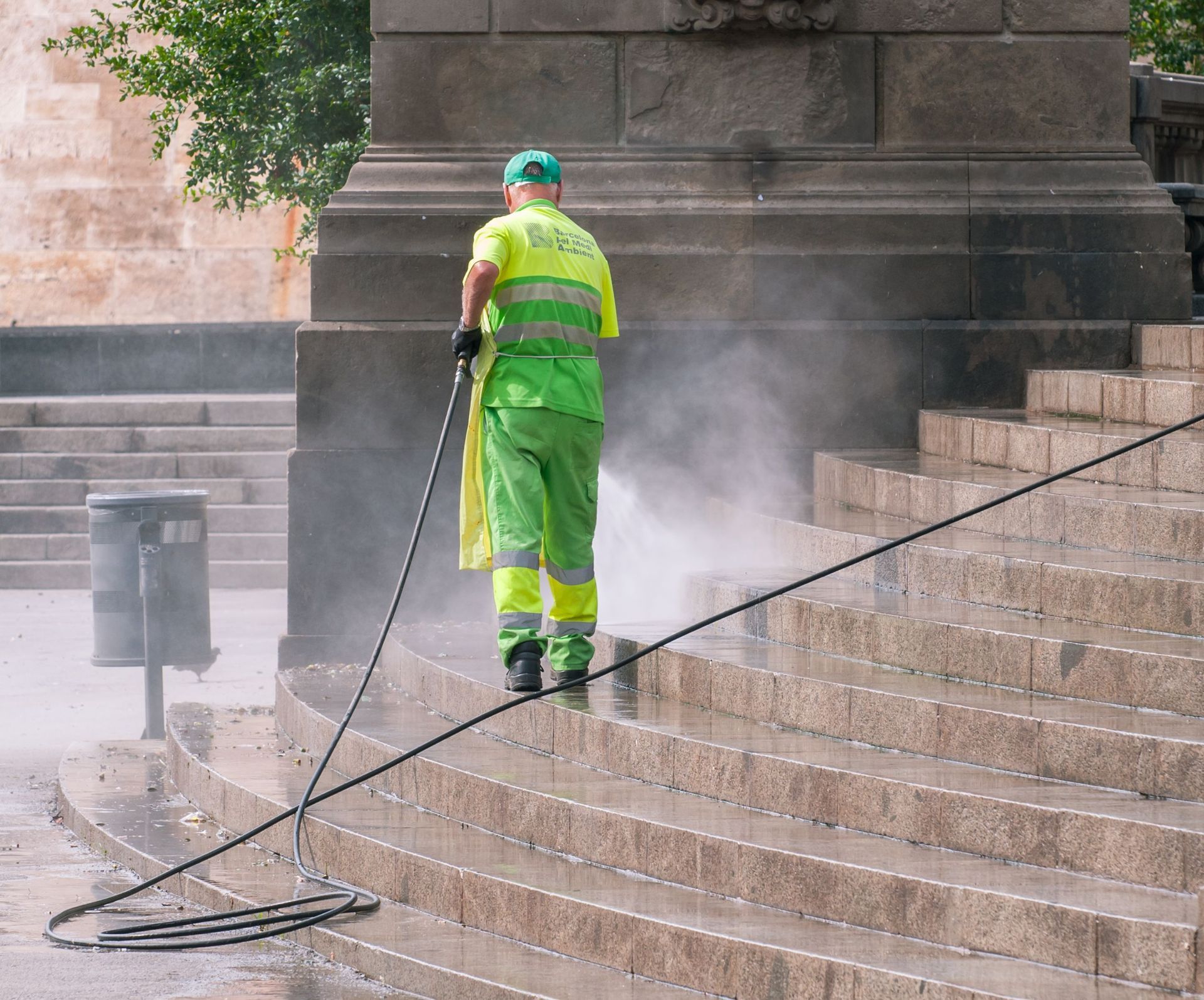
Power washing uses pressurized water delivered through adjustable nozzles to remove surface contaminants. Pressure settings, nozzle angles, and spray distance must be adjusted based on surface material, with softer materials like wood and vinyl requiring lower pressure than concrete or brick. The wrong combination can etch wood, force water behind siding, or leave wand marks across surfaces.
Schedule a property evaluation to identify specific cleaning concerns and surface conditions that affect washing methods.
Why Pressure and Technique Matter
Different surfaces tolerate different pressure levels measured in pounds per square inch. Wood decks typically require 500 to 1200 PSI to avoid splintering and raising grain, vinyl siding needs 1300 to 1600 PSI applied at a slight downward angle to prevent water intrusion behind panels, and concrete can handle 3000 PSI or more depending on its age and condition. Nozzle tip angle controls the spray pattern, with wider angles covering more area at lower impact and narrower angles concentrating force for stubborn stains.
After power washing, you'll see clean surfaces with uniform color rather than streaked or mottled staining, no visible algae or mildew, and texture that looks refreshed rather than damaged. Wood surfaces will appear lighter as oxidized gray layers are removed, and siding will show its original finish without the dark vertical streaks that form under roof eaves and around downspouts. Properly washed surfaces dry evenly without water trapped behind cladding.
Timing matters in coastal Virginia where high humidity can encourage regrowth soon after washing. Cleaning in late spring or early summer allows surfaces to dry fully before cooler, damper fall weather returns, extending how long surfaces stay clean before biological growth reestablishes.
Answers to Frequent Service Questions
Property owners often have questions about what power washing removes and how different surfaces respond to pressurized cleaning.
- What is the difference between power washing and soft washing? Power washing relies primarily on pressurized water to remove contaminants, while soft washing uses lower pressure combined with cleaning solutions that break down organic growth chemically before rinsing.
- How does coastal climate in the Portsmouth area affect cleaning needs? High humidity and proximity to water create ideal conditions for algae and mildew growth, meaning exterior surfaces often need cleaning more frequently than in drier inland areas.
- When should surfaces be power washed? Washing is needed when you see visible staining, discoloration, or biological growth, typically annually or every other year depending on shade exposure and how quickly growth returns.
- What surfaces should not be power washed? Painted wood with loose or peeling paint, older mortar joints that are crumbling, and asphalt shingles can all be damaged by pressurized water and should be cleaned using alternative methods or lower pressure techniques.
- How long does it take for surfaces to dry after power washing? Drying time depends on temperature, humidity, and sun exposure, but most surfaces are dry to the touch within a few hours and fully dry within 24 hours under normal conditions.
F and A Home Improvement, LLC adjusts pressure and technique based on surface material and the type of staining present. Request a detailed estimate for cleaning specific exterior areas around your property.