
Flooring
Surfaces Built for Daily Traffic and Real Use
Flooring in Portsmouth for worn surfaces that affect how rooms look and function
Floors wear unevenly depending on traffic patterns, moisture exposure, and the subfloor condition beneath them. F and A Home Improvement, LLC installs flooring in Portsmouth, Hampton, and Norfolk that addresses both the visible wear and the structural factors that caused it. When existing floors show gaps, cupping, surface damage, or loose sections, proper installation starts with evaluating what failed and why.
Flooring installation involves removing damaged material, assessing subfloor flatness and moisture levels, making necessary corrections, and installing new surface material with appropriate expansion gaps and fastening methods. The approach changes based on whether you're working over concrete, plywood, or engineered joists, and whether the space experiences humidity fluctuations or temperature swings.
Schedule a property evaluation to identify specific subfloor concerns and material requirements for your space.
What Proper Installation Requires
Installation quality depends on subfloor preparation before any finish material goes down. The subfloor must be level within industry tolerances, typically no more than three-sixteenths of an inch over ten feet, or the finish floor will telegraph every dip and hump. Moisture testing determines whether a vapor barrier is needed, particularly over concrete slabs where ground moisture can migrate upward and damage wood or laminate from below.
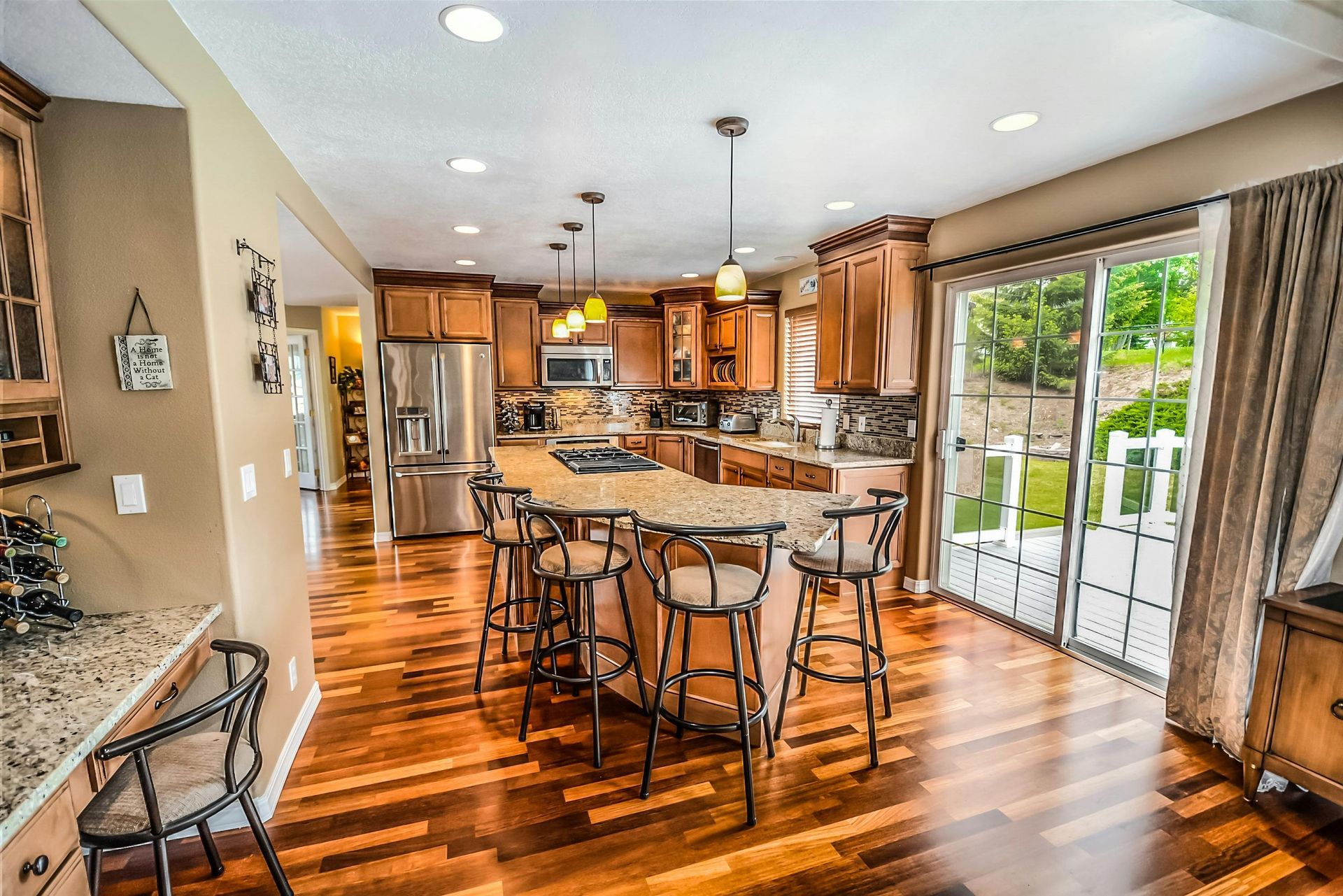
After installation, you'll notice floors that sit flat without gaps at the walls, boards that don't shift underfoot, and seams that align tightly without lippage. The floor will feel solid when you walk across it, without the hollow sound or flex that indicates improper fastening or inadequate underlayment. Properly installed flooring also includes trim work that covers expansion gaps while allowing seasonal movement.
Different flooring materials require different acclimation periods in the installation environment, fastening patterns, and adhesive types. Solid hardwood expands and contracts more than engineered wood, laminate floats rather than being nailed, and luxury vinyl tile needs different adhesive viscosity depending on ambient temperature during installation.
Common Questions About This Service
Property owners in Portsmouth and the surrounding area often ask about installation requirements and what affects flooring performance over time.
- What preparation does the subfloor need before installation? The subfloor must be clean, dry, level, and structurally sound, which may require sanding high spots, filling low areas with leveling compound, or replacing damaged sections entirely.
- How does humidity affect flooring in coastal Virginia? Seasonal humidity swings between summer and winter cause wood-based flooring to expand and contract, which is why proper expansion gaps and controlled acclimation are critical in this region.
- What is the difference between floating and fastened installation? Floating floors are not attached to the subfloor and rely on interlocking edges and their own weight, while fastened floors use nails, staples, or adhesive to secure each piece directly to the subfloor.
- When should existing flooring be removed versus installed over? Removal is necessary when the existing floor is damaged, uneven, or would raise the finished height too much for door clearances and transitions to adjacent rooms.
- What determines how long flooring lasts? Longevity depends on installation quality, subfloor stability, moisture control, and whether the material is appropriate for the traffic level and environmental conditions in that space.
F and A Home Improvement, LLC evaluates subfloor conditions and moisture factors before recommending flooring materials and installation methods. Request a detailed estimate based on your current floor condition and how the space is used.